

Most people know they’re supposed to go to the dentist regularly. But “regularly” means different things to different people. Some come in faithfully every six months. Others show up when something hurts. And a surprising number fall somewhere in the middle, intending to schedule and just never quite getting around to it.
As a trusted dentist in Kirkland, here’s what we’ve learned after serving families for over 35 years: the patients who stay on top of their visits are almost always the ones who spend less time and money in the dental chair long term. It’s not complicated. Consistent care catches small problems before they become big ones, and big ones are where the cost, discomfort, and time really add up.
This guide walks through how often you should actually be coming in, what factors change that answer, and what we look for at every visit.
Key Takeaways
- Most adults and children do well with dental visits every six months, but your personal schedule depends on your health, habits, and risk factors
- Even thorough daily brushing and flossing can’t remove hardened tartar. Professional cleanings handle what home care alone can’t
- Patients with gum disease, diabetes, or a history of frequent cavities often need visits every three to four months
- Catching a small cavity early costs a fraction of what a root canal or crown would cost if that same problem is left untreated
- Tooth pain, bleeding gums, sores that won’t heal, and swelling are all reasons to call before your next scheduled appointment
- Most dental insurance plans cover two preventive visits per year at 100%. If you have coverage, use it
Why Regular Dental Visits Matter Beyond Your Teeth
Your mouth is connected to the rest of your body in ways most people don’t think about until something goes wrong. Gum disease has been linked to increased risk of heart disease, diabetes complications, and preterm birth. Bacteria from oral infections can enter your bloodstream and affect your cardiovascular system. Regular dental visits aren’t just about keeping your teeth clean. They’re one of the more practical things you can do for your overall health.
There’s also the early detection piece. Cavities, gum disease, and even oral cancer often develop without pain or obvious symptoms in the early stages. By the time something hurts, the problem has usually had time to grow. We can spot what you can’t see or feel at home, and that’s the whole point of showing up before something goes wrong.
One more thing worth mentioning: professional cleanings remove hardened tartar that no toothbrush or floss can touch. That buildup creates an environment where bacteria thrive, and they cause decay and gum disease that can lead to more involved treatment down the road. Routine general dentistry care is what keeps all of that from building into something larger.
The Standard Recommendation: Every Six Months
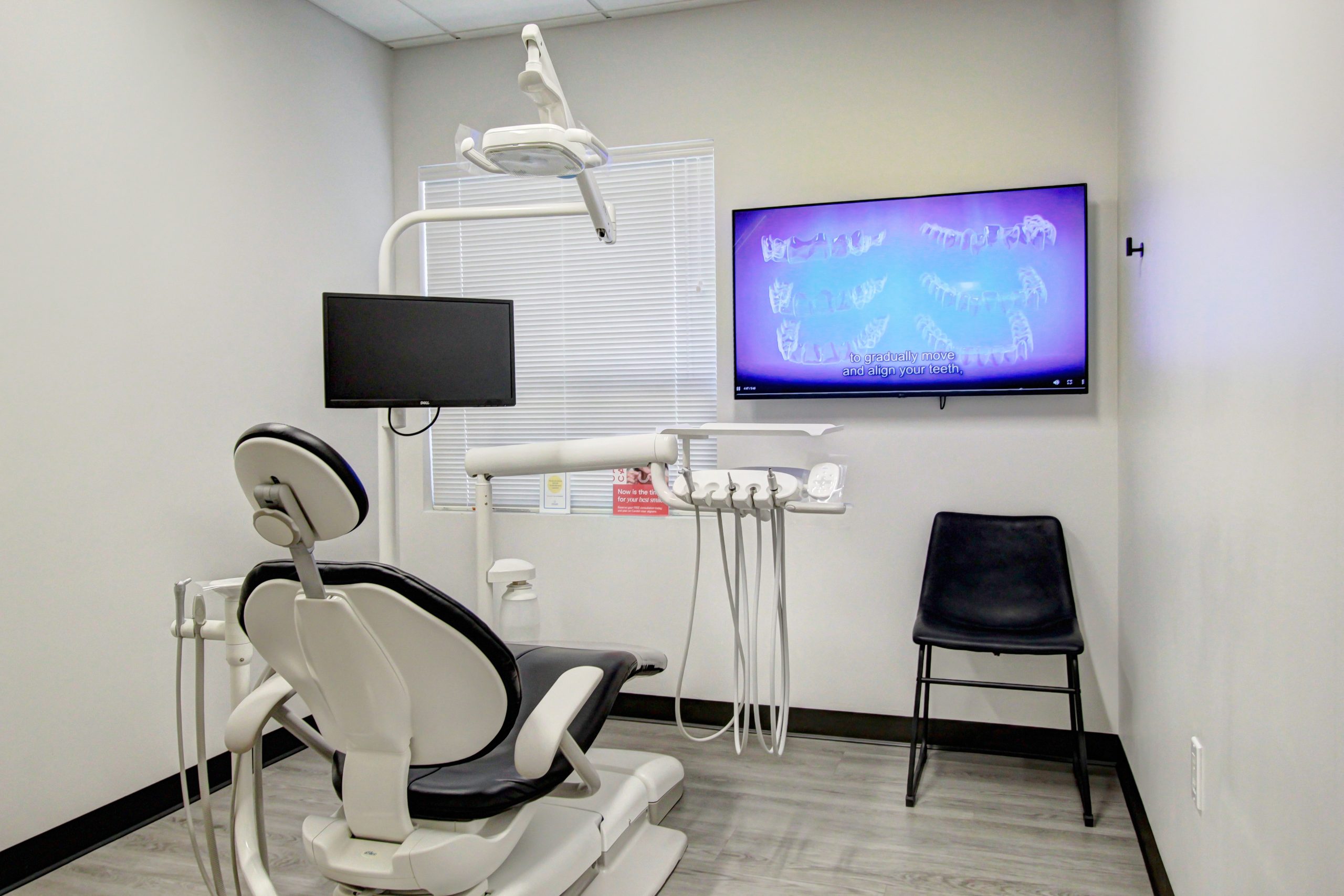
Dental professionals recommend visiting the dentist every six months for routine checkups and cleanings. This schedule works well for most adults with healthy teeth and gums. It gives our team enough time to track changes while still catching problems in their earliest, most treatable stages.
It also lines up with how most dental insurance plans are structured. Most plans cover two preventive visits per year at 100%, including the exam, cleaning, and necessary X-rays. If you have coverage, there’s very little reason not to use it.
Here’s what a routine visit at Kirkland Family Dentistry actually looks like. Your hygienist cleans your teeth thoroughly, focusing on the areas along the gumline and between teeth where plaque tends to accumulate. After that, we examine your teeth, gums, tongue, and other oral tissues for signs of decay, inflammation, or anything unusual.
We also check your bite alignment, jaw joints, and screen for oral cancer at every visit. If X-rays are due, we take them using digital imaging technology that significantly reduces radiation compared to traditional film. The whole appointment usually runs 45 to 60 minutes.
That’s it. Twice a year. It’s not a big commitment for what it prevents.
When You Should Come in More Often
Not everyone fits the standard six-month schedule, and that’s completely normal. We’ll let you know if you fall into one of these categories.
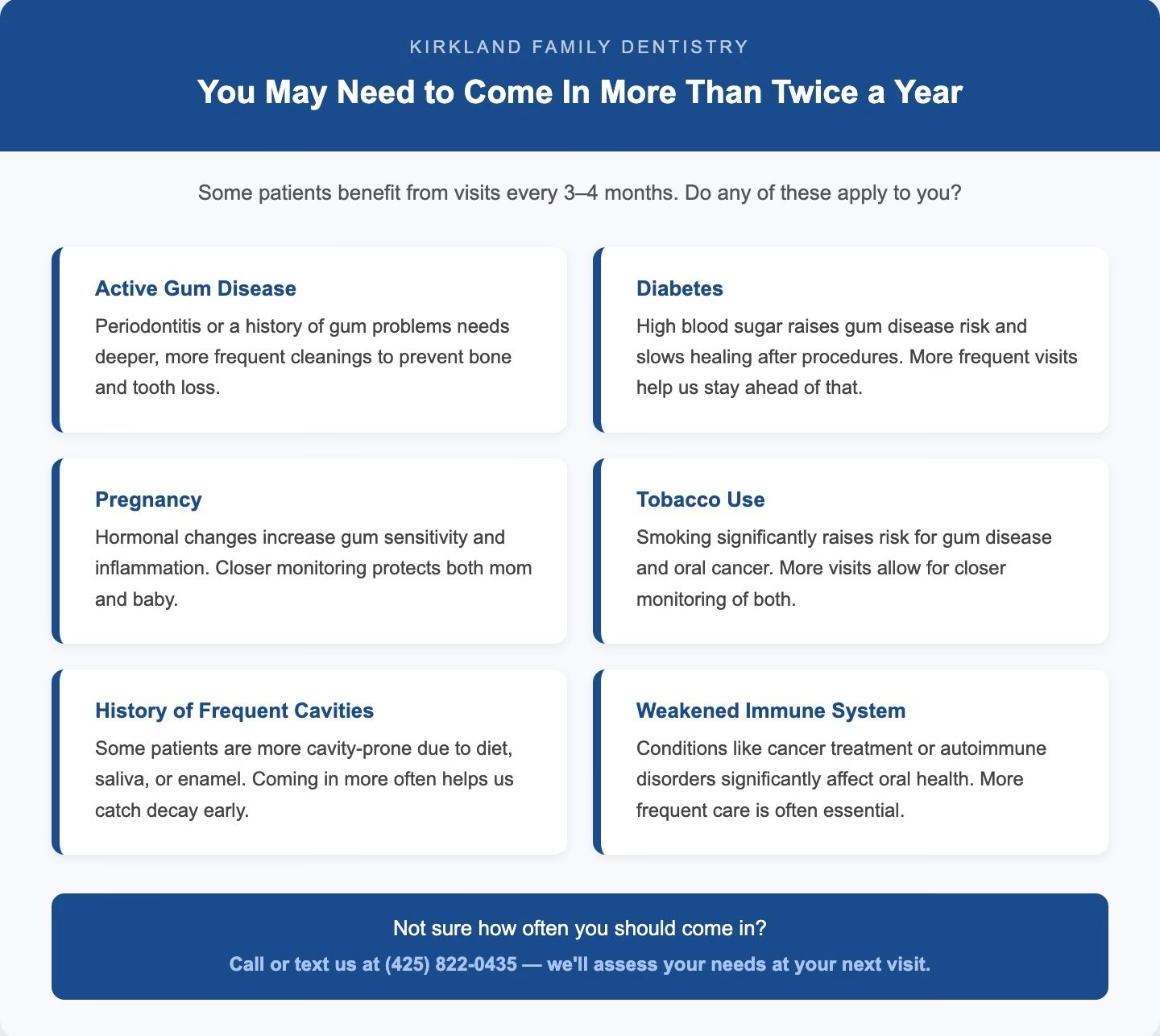
Active gum disease. If you have periodontitis or a history of gum problems, visits every three to four months are typically recommended. These appointments involve deeper cleaning below the gumline to manage the infection and prevent it from progressing to bone loss and tooth loss.
Diabetes. High blood sugar creates conditions that increase your risk for gum disease and slow healing after procedures. More frequent visits help us stay ahead of those risks and adjust your care as needed.
Pregnancy. Hormonal changes during pregnancy increase gum sensitivity and inflammation. More frequent monitoring during this time helps protect both your oral and overall health.
Tobacco use. Smoking and other tobacco use significantly increase your risk for gum disease and oral cancer. More frequent visits allow for closer monitoring of those concerns.
A history of frequent cavities. Some patients are simply more cavity-prone due to their saliva composition, diet, or enamel strength. Coming in more often helps us stay ahead of new decay before it deepens.
Weakened immune system. Conditions like HIV, cancer treatment, or certain autoimmune disorders can affect oral health significantly. More frequent professional care is an important part of managing that.
If you’re not sure which category you fall into, that’s exactly the kind of thing we talk through with patients at their visit. Our team evaluates each patient individually rather than defaulting to a one-size-fits-all answer.
What Happens If You Skip Visits
Life gets busy. Appointments get pushed back, then forgotten. And before you know it, six months have turned into two years. We’ve heard every version of that story at our Kirkland office, and there’s no judgment here. What matters is that you’re coming in now.
But it’s worth understanding what that gap actually costs you. A small cavity that could have been caught at a routine visit and treated with a simple composite filling can quietly work its way deeper until it needs a root canal. And a root canal that could have been avoided might eventually lead to an extraction if it’s left long enough. Each step up that ladder costs more, takes more appointments, and involves more discomfort.
Gum disease follows the same pattern. When caught early, it’s often fully reversible with professional cleaning and improved home care. Left alone, it progresses to periodontitis, which breaks down the bone supporting your teeth and leads to tooth loss. When that happens, dental implants are often the best path forward, but it’s a situation that was almost always avoidable.
The math is straightforward. Prevention costs less than treatment in time, money, and discomfort. Every time.
What Our Patients Say
I had a great experience today. Highly recommend it. Will definitely come again for later visits The literal best experience I’ve had at a dentist. They were able to get me in the same day the whole appointment from start to finish was a great experience. Dr. Choi was done with the procedure before I realized he even started and Amy my hygienist was so nice to have throughout the appt. Her numbing shots were the lest painful I’ve ever had. Started off as an emergency visit and will become a regular patient! I needed urgent services and this dental practice took me right away, I did not have to wait. It was the same day. They took care of my dental emergency very professionally and to my satisfaction. I returned for a second visit to complete the treatment and received prompt great care. The results are great, Dr. Acosta and staff are excellent. I highly recommend this practice.



How Children’s Visit Schedules Work
Children should have their first dental visit by their first birthday or within six months of their first tooth appearing, whichever comes first. After that, they follow the same six-month schedule as adults.
Early visits do a few important things. They help your child become comfortable with the dental environment before anything stressful happens. They allow us to monitor how teeth are developing and catch alignment issues early. And they establish habits and familiarity that make dental care feel normal rather than frightening as kids grow. Our children’s dentistry approach is built around making those early experiences positive, because kids who have good first memories of the dentist are much more likely to become adults who keep their appointments.
Baby teeth matter more than many parents realize. They hold space for permanent teeth, help children speak and eat properly, and, if decay occurs, it can start as soon as teeth appear. Keeping those early appointments protects your child’s development in ways that go beyond just their smile.
Signs You Should Call Before Your Next Appointment
Regular checkups are the goal, but some symptoms shouldn’t wait. Call us if you notice any of the following.
Persistent tooth pain or sensitivity
Sharp pain when biting, lingering sensitivity to hot or cold, or a throbbing ache that wakes you up at night all need prompt attention. Pain that doesn’t go away on its own usually means something is progressing. Our restorative dentistry services are designed to address exactly these situations, from crowns and fillings to more involved care, and the sooner we look, the more options you have.
Bleeding gums
Healthy gums don’t bleed when you brush or floss. If yours do regularly, that’s an early sign of gum disease that responds well to prompt treatment. Waiting gives it time to advance.
Swelling in your jaw, face, or gums
Swelling often indicates that an infection is spreading beyond the tooth. Combined with fever, difficulty swallowing, or trouble breathing, that’s a situation that may require same-day or emergency care. We offer urgent dental care for exactly these situations and can often get you in the same day.
Sores or unusual spots that don’t heal
White or red patches on your gums, tongue, or cheeks, or sores that haven’t resolved within two weeks, need professional evaluation. These are the kinds of changes we screen for at every routine visit.
A loose crown, a lost filling, or a chipped tooth
Without that protective layer, the underlying tooth is exposed to bacteria and further damage. Temporary fixes from the pharmacy buy time, but prompt professional care prevents a manageable problem from becoming a larger one. Our crowns and bridges service handles everything from a loose crown to a broken tooth that needs full coverage.
How to Get the Most Out of Every Visit
A little preparation makes your appointment more productive.
Before you come in, jot down any symptoms, areas of sensitivity, or questions you want to address. Don’t rely on remembering them in the chair. If you’ve had any changes in your health or medications since your last visit, let us know. Medical history updates directly affect how we approach your care.
When treatment is recommended, schedule it. Waiting rarely makes dental problems better. If cost is a concern, talk to us. We work with all major insurance plans, accept HSA and FSA payments, and offer flexible financing options. We’d much rather find a way to make treatment work for your budget than see a manageable problem become a major one.
And if it’s been a while since your last visit, that’s okay. We hear it regularly, and there’s no judgment here. What matters is that you’re coming in now. Our team will assess where things stand and give you a clear, honest picture of what needs attention and what can wait.
What Makes Our Approach Different
We’ve been practicing here in Kirkland since 1989, and a lot has changed over those 35-plus years. The technology is better, the techniques are more precise, and our team has grown. But the thing that hasn’t changed is how we approach care. We treat the person in the chair, not just the chart in our hands.
Patients come to us from across the Juanita and Eastside communities, and many of them have been with us for decades. We see their kids, and sometimes their kids’ kids. That kind of continuity is only possible when patients feel genuinely comfortable coming back, and that’s something we work for at every appointment. See what Kirkland patients are saying about their experience with our team.
One patient, TJ, described texting us during a dental emergency and getting a response at 5 AM. That’s not standard anywhere, but it’s the kind of responsiveness this community deserves and what we try to deliver. Another patient, Kael, came in as an extremely nervous patient after unpleasant past experiences. He left, saying Dr. Suh and the team “broke the cycle.” Those aren’t outliers. That’s just how we try to practice.
Our multilingual team speaks English, Spanish, Korean, Vietnamese, Ukrainian, and Russian, which means more Kirkland families can get the care they need without language getting in the way.
Special Considerations for Seniors
Dental needs shift as you get older. Medications commonly prescribed for older adults can cause dry mouth, which increases the risk of cavities and makes gums more vulnerable to infection. Gum recession and root decay become more common. The risk of oral cancer increases with age, making routine screenings at each visit increasingly important.
Even patients with full dentures should still come in regularly for oral cancer screenings and to make sure their dentures fit properly. Ill-fitting dentures cause sores, make eating difficult, and can affect nutrition and overall health. Dental implants and other restorations also need professional monitoring to remain healthy in the long term.
Your Insurance and Your Visits
Most dental insurance plans cover two preventive visits per year at 100%, including routine exams, cleanings, and necessary X-rays. That means there’s often no out-of-pocket cost for staying on schedule. We’re in-network with all major insurance companies. You can review our insurance and payment options, or our team can walk you through your benefits before your appointment to ensure there are no surprises.
If you don’t have insurance, ask us about our flexible payment options. HSAs and FSAs can be used for dental care, letting you pay with pre-tax dollars. We also offer financing options for larger procedures. Cost shouldn’t be the reason care gets delayed. Talk to us, and we’ll find a way to make it work.
Frequently Asked Questions
How often should healthy adults visit the dentist?
Every six months is the standard recommendation. Some patients with excellent oral health may be able to extend to once per year, but that’s a conversation to have with us based on your specific situation.
Do children need to see the dentist as often as adults?
Yes, every six months starting from their first birthday or when their first tooth appears. Kids at higher risk for cavities or those in orthodontic treatment may need more frequent visits.
What happens if I skip my regular dental checkup?
Small problems grow into larger ones. A minor cavity that could have been treated with a simple filling may progress to the point of requiring a root canal. Gum disease moves from gingivitis to periodontitis. Skipping visits almost always costs more in the long run.
Are dental X-rays necessary at every visit?
Not at every visit. Most patients with good oral health need bitewing X-rays once per year and a full set every three to five years. New patients or those with active dental issues may need them more frequently.
What should I do if I experience dental pain between visits?
Call us. Dental pain almost always means something that will worsen without treatment. We prioritize getting patients in pain seen as quickly as possible, often the same day.
Does dental insurance cover routine checkups?
Most plans cover two preventive visits per year at 100%. Check with your provider for specifics. Our team can help you understand your benefits before your appointment.
Schedule Your Next Visit at Kirkland Family Dentistry
Whether you’re due for a routine checkup or it’s been longer than you’d like to admit, we’re here for you. No pressure, no judgment.
Kirkland Family Dentistry has been caring for Kirkland families since 1989. We’re locally owned, multilingual, and in-network with all major insurance plans. New patients receive free in-office teeth whitening with their first visit. Check out our new patient information to know what to expect before you come in.
Call or text us at (425) 822-0435, or book your appointment online. After hours, our automated assistant can help you schedule the first available appointment or leave a message for our doctors. We’re located at 13531 Juanita Woodinville Way NE, Kirkland, WA 98034, and serve patients from Kirkland, Juanita, Norkirk, South Juanita, Forbes Creek, and the surrounding Eastside communities.