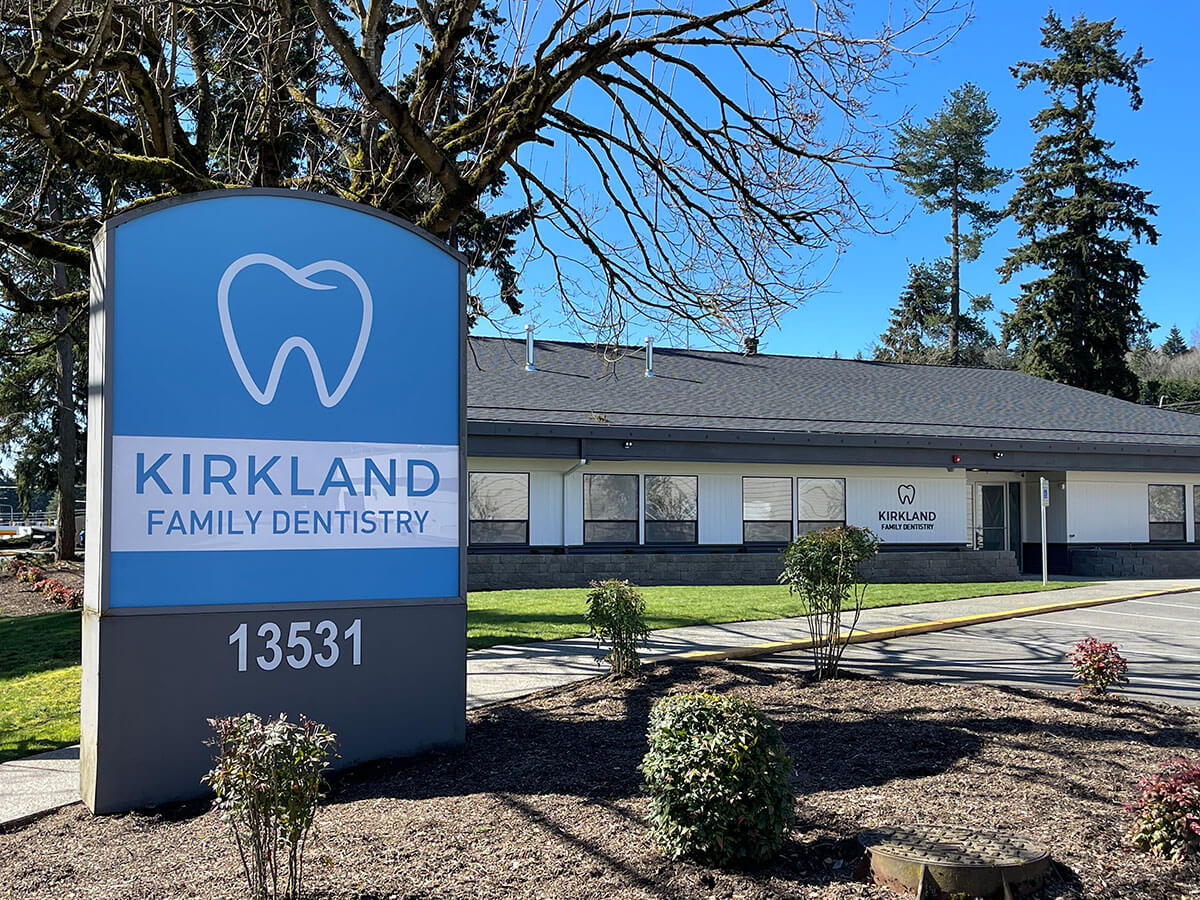

Restore a damaged tooth or fill the gap of a missing one with a natural-looking result.
A cracked, worn, or badly decayed tooth can be unsettling, but it rarely means losing the tooth. A crown covers and protects what’s left so you can bite, chew, and smile like normal again, and a bridge stands in for a tooth that’s already gone. Both are everyday work for us at Kirkland Family Dentistry, and both are built to look completely natural.
If you’re looking for a dental crown in Kirkland, we’ll check the tooth, explain your options, and help you understand cost, insurance, and timing before treatment begins.
We don’t do quick fixes here. We’ve been restoring Kirkland smiles since 1989 with solutions meant to last, and we keep the whole process simple and low-stress. You get clear options, honest answers, and same-day appointments when you need one. Using modern digital scanning and a trusted local lab, we turn crowns around quickly, so you’re not left waiting.
Why Choose Kirkland Family Dentistry for Crowns and Bridges
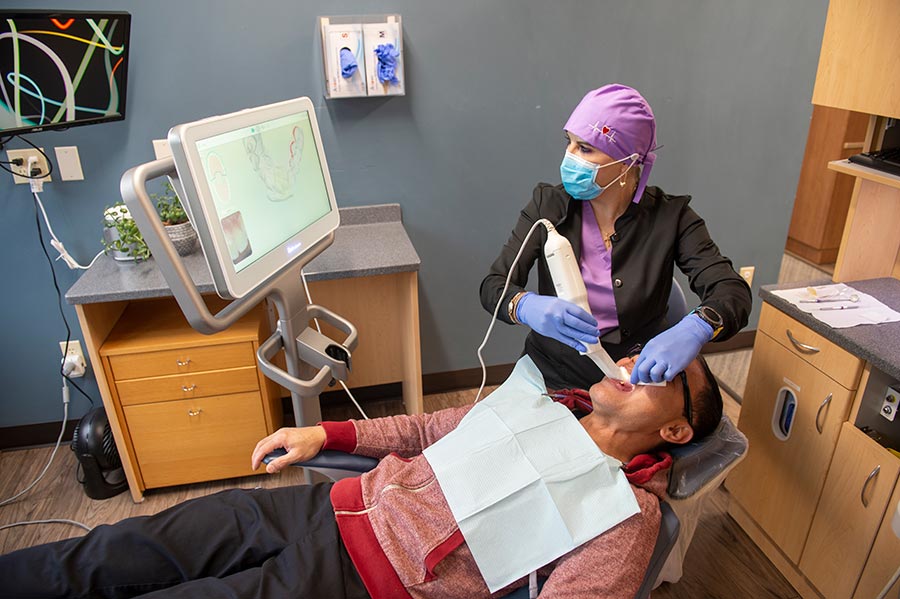
Needing a crown or bridge can feel like a big deal, but the treatment itself doesn’t have to be. We use an iTero scanner and a trusted local lab to keep your crown accurate and your turnaround fast. We’re in-network with all major PPO plans, so we check your benefits before we start, and there are no surprises.
Our team speaks English, Spanish, Korean, Vietnamese, Ukrainian, and Russian, and as Kirkland’s most awarded dental office, we’ve rebuilt more smiles here than we can count since 1989. If you have a balance after insurance, we offer financing and take HSA and FSA cards for eligible treatments.


I had a lot of dental work done at KFD (3 crowns, 2 root canals) and the process was easy going and smooth and was able to book my first appointment for the next business day. Today I’m completing the cementing of my last crown and one of the dental assistant’s rooms and she has the World Cup playing! The office is beautiful!

Kara my dental hygienist is amazing! Been coming here for years and always get great service. The dentist Dr. Choi is also top notch. Any work we’ve had to do from crowns and root canals and cavities whatever it calls for he is gentle and thorough. Love it. I also signed up for the candid Invisalign that changed everything for me. My teeth health and smile and bite and everything to do with my mouth is soooooo much better! Can’t recommend this place enough. Sent a bunch of my coworkers here too and they think the same. Thanks Kirkland family dentistry!

Great place. Been with them for years. Well run, great hygienists, great staff overall.
What Are Crowns and Bridges?
Crowns and bridges both restore a damaged smile, but they solve different problems. A crown is a custom cap that covers and protects a tooth badly damaged by decay or trauma, so you can keep using it instead of losing it. Whenever we can, we’ll use a crown to save a natural tooth rather than remove it. A bridge replaces one or more missing teeth, filling the gap with natural-looking replacement teeth anchored to the healthy teeth on either side.
Both are part of our restorative dentistry care, and if you want the full rundown, our blog covers what you need to know about dental crowns.
How Are Dental Crowns Used?
A crown often comes into play after a root canal, a dental implant, or the filling of a large cavity. We also use crowns cosmetically to improve how a tooth looks, and alongside bridges to close gaps in your smile.
There’s a difference worth knowing. A traditional crown sits on your natural tooth root, while an implant crown sits on a replacement root placed during an implant procedure. The implant root itself can last a lifetime, though the crown on top may need repair or replacement over the years.
What Are Crowns and Bridges Made From?
We use high-quality, natural-looking materials. Our crowns are made from high-tech dental porcelain that’s virtually indistinguishable from your natural teeth, so you can bite and chew normally with no special care. Bridges work much the same way: a porcelain replacement tooth, or set of teeth, is anchored to the surrounding teeth with crowns and cemented into place, so it looks and functions just like the rest of your smile.
Signs You May Need a Crown or Bridge
It’s not always obvious, but a few situations tend to point one way or the other. A crown may be the fix if you have:
- A tooth that’s cracked, chipped, or worn down
- A large old filling that’s starting to fail
- A tooth that just had a root canal and needs protecting
- A weak tooth you’d like to save before it breaks
A bridge is worth a conversation if you’re missing a tooth and want to close the gap without an implant. Not sure which way to go? We’ll walk you through it, including how a bridge stacks up against dental implants.
The Crown Process, Step by Step
The Benefits of Crowns and Bridges
- Crowns bring a damaged tooth back to full strength, so you can chew normally again
- Bridges close the gap of a missing tooth and keep neighboring teeth from shifting
- Digital scanning makes the process cleaner and more accurate than putty impressions
- Porcelain is color-matched to your natural teeth, so the repair is hard to spot
- Durable and long-lasting, and easy to repair if one is ever damaged
- Saving a tooth now can head off bigger, costlier treatment later
What Crowns and Bridges Cost in Kirkland
A crown typically runs about $700 to $2,500, depending on the material and the tooth it’s protecting, and a bridge depends on how many teeth it spans. Those are estimates, not fixed quotes, and we’ll give you a clear number before we start. Because crowns and bridges are restorative, most plans help cover them, and we’re in-network with all major PPO plans, so we’ll check your benefits up front. For any out-of-pocket amount, we accept HSA and FSA cards for eligible treatments and offer financing through Cherry, Sunbit, and CareCredit.
Why Should You Consider Crowns and Bridges?
Keeping your teeth in good working order belongs near the top of any oral health plan. A missing or badly damaged tooth puts the surrounding teeth at risk too, and an untreated infection can spread to nearby teeth and gums. If you’re dealing with a dental infection, see us right away, since a root canal can often save the tooth. Beyond your smile, a full set of teeth matters for how you eat, speak, and stay healthy overall.
Frequently Asked Questions About Crowns and Bridges
How much does a dental crown cost in Kirkland?
A crown typically runs about $700 to $2,500, depending on the material and the tooth it’s protecting. Many insurance plans cover part of the cost since crowns are restorative, and we’re in-network with all major PPO plans. We’ll check your benefits and give you an estimate before we begin.
How quickly can I get a crown in Kirkland?
We offer same-day appointments for crowns, and we use digital scanning with a trusted local lab to turn your crown around quickly. We’ll let you know exactly what to expect for your tooth so there are no surprises.
How long do crowns and bridges last?
Most last ten to fifteen years, and plenty go longer with good care. Brushing, flossing, and not using your teeth to open things all help. We’ll keep an eye on your crown at your regular checkups.
Does getting a crown hurt?
No. We numb the tooth first, so the procedure itself is comfortable, and any tenderness afterward is usually mild and short-lived. Let us know if you’re anxious, and we’ll take extra care to keep you at ease.
What’s the difference between a crown and a bridge?
A crown caps and protects a single damaged tooth. A bridge fills the gap left by a missing tooth by anchoring to the teeth on either side. If you’ve lost a tooth or have one that’s badly worn, we’ll talk through which option fits best.
Will my insurance cover a crown or bridge?
Often, at least partially, since both are restorative treatments. We’re in-network with all major PPO plans, and our team will verify your coverage up front. If you have a balance, we accept HSA and FSA cards for eligible treatments and offer financing.
How do I take care of a crown or bridge?
Treat them a lot like your natural teeth: brush twice a day, floss (we’ll show you how to clean under a bridge), and skip the really hard stuff like ice. Come in for your regular cleanings, and we’ll make sure everything’s holding up.
Restore Your Smile in Kirkland
Whether you’re saving a cracked tooth or replacing one that’s missing, we’ll walk you through your options and protect your smile for the long term. We’ve cared for Kirkland smiles since 1989, and we keep restorative work simple and low-stress.
Here’s what you can count on with us:
- Digital scanning and a trusted local lab for an accurate, quick turnaround
- Same-day appointments when your schedule can’t wait
- In-network with all major PPO plans, with benefits checked up front
- Gentle care in six languages, plus financing and HSA/FSA options