

Dental implants are commonly recommended in cases where people have lost some of their teeth due to an injury or periodontal disease. The reason most people prefer dental implants, rather than living with missing teeth, is because of the embarrassing and often confidence shattering effect it can have.
But what exactly are dental implants? What types of dental implant procedures are available today? And perhaps just as important, does insurance cover dental implants?
This article walks through the implant types and the procedures that go with them. If you want treatment, pricing and insurance detail for the Kirkland area, our dental implants page covers all three.
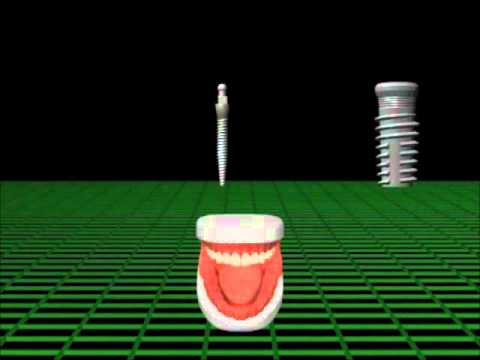
What are Dental Implants?
Dental implants are prosthetic teeth roots that are either placed into or onto your jawbone so that they can hold a replacement tooth or bridge.
Types of Dental Implants
There are two types of dental implants that are performed today which are as follows:
Endosteal
This is the most commonly used dental implant. Endosteal dental implants are supported by screws, cylinders or blades placed into the jawbone (surgically, of course). Each implant can easily hold one or more prosthetic teeth.
It is recommended as an alternative to patients who use bridges or removable dentures.
Subperiosteal
In some cases, patients who have minimal bone height (jawbone) and are unable to wear conventional dentures, use subperiosteal dental implants. These implants are placed on top of the jaw using a metal framework which protrudes through the gum to hold an artificial tooth or teeth.
How the two types compare
Endosteal implants are the default for most people because they sit inside the bone and behave much like a natural tooth root. They do need enough healthy jawbone to anchor into, which is why bone grafting sometimes has to happen first.
Subperiosteal implants exist for cases where that bone simply is not there and grafting is not an option. They rest on top of the bone rather than inside it. They are far less common now than they once were, because grafting has improved enough that most people can go the endosteal route.
There are also smaller-diameter mini implants, often used to stabilize a loose denture rather than carry a single crown, and immediate-load implants, where a temporary tooth goes on the same day as surgery.
Dental Implant Procedures
There are five common treatment plans that are tailored according to a patient’s dental need. Dentists and periodontists consult with patients to determine which procedure suits them best. Here are five common procedures:
Single Tooth Replacement
Patients who have lost only a single tooth undergo this procedure. A crown and an implant can easily replace the affected area.
Multiple Teeth Replacement
If there’s more than one tooth that needs replacement, dental experts use implant-supported bridges that can replace several missing teeth.
Full Teeth Replacement
In some cases, where patients lose all their teeth, full dentures or implant-supported full bridges are used to replace them.
Sinus Augmentation
This procedure is applied when periodontists find it difficult to implant dentures or bridges. Traditionally, the back of the upper jaw is the most difficult place to perform dental implants. That’s where the sinus augmentation procedure is performed. In this procedure, the sinus floor along with the developing bone is raised to secure dental implants properly.
Ridge Modification
There are cases where patients have bony defects in their jawbone. Due to the inadequate bone, the deformity is exposed by lifting away the gum from the ridge – this procedure is known as ridge modification. For successful implants and improving appearance, these defects are filled with a bone substitute that builds up the ridge.
How Long Implant Treatment Takes
Implants are not a one-appointment treatment. The usual sequence is a consultation and imaging, then any preparatory work such as an extraction or a bone graft, then placement of the implant, then a healing period while the bone fuses around it, and finally the crown. Start to finish this commonly runs 3 to 6 months, and longer when grafting is involved. Some cases qualify for a same-day temporary tooth while the permanent one is being made.
Who Implants Suit
Most healthy adults are candidates. What matters most is gum health and having enough jawbone to hold the implant, plus a willingness to keep up with brushing, flossing and regular checkups afterward, because implants can fail from gum disease the same way natural teeth can. Heavy smoking and uncontrolled diabetes both slow healing and are worth raising openly before you commit. If bone loss has already happened, grafting often still makes implants possible.
Conclusion
We hope that answers to the above questions better aid you in understanding advice that you get from dentists and periodontists because now you are armed with basic know-how on dental implants, its types, and procedures. If you want to know more, subscribe to our blog or give Kirkland Family Dentistry a visit.